
Why Does Orange Juice and Toothpaste Taste Bad Together? The Surprising Science Behind It
You brush your teeth, pour a glass of orange juice, take a sip... and instantly regret it.
Instead of tasting sweet and refreshing, your orange juice suddenly tastes bitter, sour, or even metallic. If you've ever wondered why this happens, you're definitely not alone. It's one of the most common food mysteries people ask about at their teeth cleanings.
Surprisingly, it has very little to do with the mint flavor in your toothpaste.
Here's what's really happening and how you can avoid ruining your breakfast.
Why does orange juice taste weird after brushing your teeth?
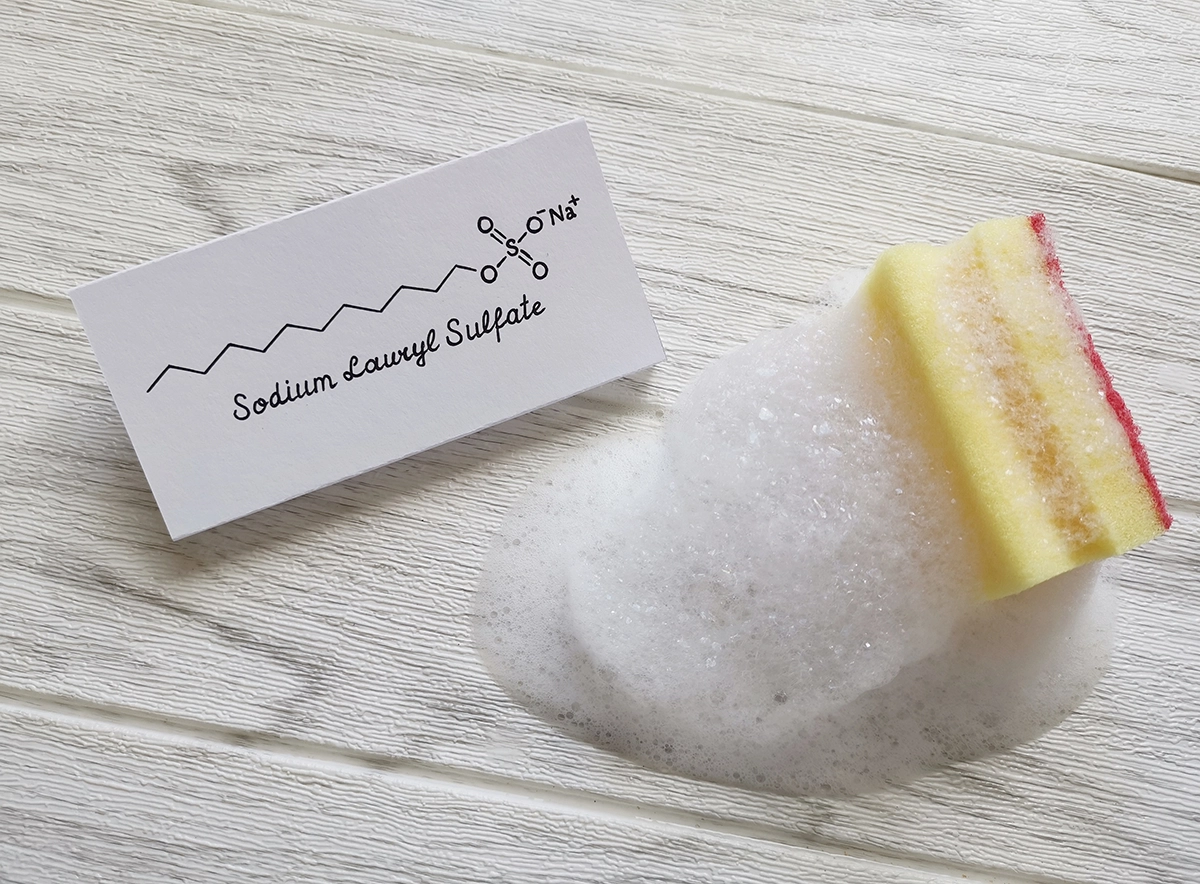
The real culprit is an ingredient called sodium lauryl sulfate (SLS).
SLS is a foaming agent found in many toothpastes. It's what creates all those bubbles while you brush. While it helps spread toothpaste around your mouth, it also temporarily changes the way your taste buds work.
Scottsdale dentist Dr. Kristopher Alpers, who was recently featured in a Yahoo! article about this topic, says that SLS suppresses your ability to taste sweetness while making bitter flavors seem much stronger. That combination is exactly why orange juice suddenly tastes so unpleasant after brushing.
In other words:
- Your taste buds don't detect as much of the orange juice's natural sweetness.
- The bitter compounds that are normally balanced by the sweetness suddenly become much more noticeable.
The result is the famously awful orange juice and toothpaste combination.
While this taste change is completely normal, it's also a good reminder that the products you use every day matter. During your regular dental visits, your dentist and hygienist can recommend the right toothpaste and oral care routine based on your enamel, sensitivity, and lifestyle.
Is it the mint flavor?
Most people assume the mint clashes with citrus.
That’s actually not the case.
While mint may contribute a little to the sensation, Dr. Alpers explains that the dramatic change in taste is primarily caused by SLS affecting your taste receptors, not the mint flavor itself.
What toothpaste ingredients affect the taste of citrus drinks?
You guessed it: the biggest ingredient responsible is:
Sodium Lauryl Sulfate (SLS)
SLS is a detergent that helps toothpaste:
- Create foam
- Spread across your teeth
- Give you that "clean mouth" feeling
Although it's commonly used, SLS isn't necessary for preventing cavities. The ingredients that actually protect your teeth are fluoride and other active ingredients, not the foaming agent.
Why does orange juice seem worse than other foods?
You may notice other foods taste a little different after brushing, but orange juice is especially dramatic because it naturally contains both sweet sugars and citric acid.
Normally, those flavors balance each other perfectly.
When SLS temporarily dulls sweetness and amplifies bitterness, the balance disappears. That's why orange juice tastes so much worse than something like toast or eggs.
Should you brush before or after breakfast?
This is one of the questions dentists hear all the time.
If you're having an acidic breakfast that includes orange juice, grapefruit, coffee, or smoothies, brushing before breakfast is generally the better option.
Here's why:
- Overnight, bacteria and plaque build up while you sleep.
- Brushing first removes those bacteria.
- Fluoride helps protect your enamel before you eat or drink acidic foods.
If you prefer brushing after breakfast, it's best to wait about 30 to 60 minutes after finishing acidic foods or drinks. Acid temporarily softens the outer layer of your enamel, and brushing immediately afterward may contribute to enamel wear over time.
What orange juice can tell you about your enamel
The strange taste after brushing isn't harmful by itself, but it does shine a light on something worth paying attention to: how acidic drinks affect your teeth.
Orange juice is packed with vitamin C, but it's also naturally acidic. Over time, frequent exposure to acidic beverages like orange juice, sports drinks, soda, and even sparkling water can gradually soften and wear away your tooth enamel.
Unlike the temporary taste change caused by toothpaste, enamel erosion happens slowly, and you may not notice it until you start experiencing tooth sensitivity, changes in the shape of your teeth, or increased staining.
The good news is that a few simple habits can make a big difference. If orange juice is part of your morning routine, try drinking it with breakfast instead of sipping it over a long period, and rinse your mouth with water afterward. If you've had something acidic, wait about 30 to 60 minutes before brushing so your enamel has time to recover.
One thing we tell patients all the time is that there's no one-size-fits-all routine. Your daily habits, enamel strength, saliva, and risk factors are unique to you.
During your regular dental cleanings, your hygienist can often spot the early signs of enamel wear long before you notice them yourself.
From there, we can recommend the right brushing routine, toothpaste, fluoride products, or other preventive strategies that fit your lifestyle, so you can protect your smile without giving up the foods and drinks you enjoy.
Recommendations for toothpaste that doesn't ruin breakfast juice
If this bothers you regularly, consider switching to an SLS-free toothpaste.
Many people are surprised to learn that SLS-free toothpastes clean just as effectively. (In fact, we give a couple of SLS-free toothpaste recommendations here.) They simply don't contain the foaming agent responsible for changing how your taste buds perceive sweetness and bitterness.
SLS-free toothpaste can also be a good choice if you experience:
- Mouth irritation
- Frequent canker sores
- Sensitive oral tissues
The best toothpaste for you still depends on your individual dental needs, so it's always worth asking your dentist for a recommendation.
Best toothpaste options for people who drink orange juice in the morning
If orange juice is part of your daily routine, look for a toothpaste that includes:
- Fluoride for cavity protection
- An SLS-free formula
- The ADA Seal of Acceptance when available
Several major toothpaste brands now offer SLS-free options because many people prefer a gentler formula.
The good news is you don't have to give up orange juice or good oral hygiene. Sometimes a simple change in toothpaste is all it takes.
Does everyone experience this?
Not necessarily.
Some people notice the taste change much more than others.
Factors like the specific toothpaste you use, how much SLS it contains, and your own taste sensitivity can all influence how dramatic the effect feels.
The Bottom Line: Healthy Habits Matter More Than Perfect Timing
While the orange juice and toothpaste reaction is completely normal, it's also a good reminder that your daily routine has a real impact on your oral health.
Small adjustments, like choosing the right toothpaste, timing your brushing, and protecting your enamel from acidic drinks, can help keep your teeth healthy for years to come.
And because everyone's mouth is different, regular dental checkups are the best way to make sure your routine is working for you, not against you.
Learn more from Dr. Kristopher Alpers
Dr. Kristopher Alpers was recently interviewed by Yahoo about this surprisingly common breakfast mystery. In the interview, he explains why SLS changes the way your taste buds perceive sweetness and bitterness, why brushing before breakfast is often the better choice, and why SLS-free toothpaste can be an excellent option for many people.
You can read the full interview here:
"Why Does Orange Juice Taste So Bad After You Brush Your Teeth?"
Frequently Asked Questions About Orange Juice and Toothpaste Together

Ready to schedule an appointment?
We look forward to meeting you! To schedule, call or text or book online.

Locations We Serve
Our Scottsdale dental office serves the following areas:

Scottsdale
Paradise Valley
Fountain Hills
Phoenix
Tempe
We also serve these specific communities in Scottsdale AZ:
- Old Town Scottsdale
- Scottsdale Fashion Square
- Camelback Country Estates
- Mountain Shadows
- Arcadia
- Arcadia Lite
- Biltmore Area
- Papago Parkway
- Central Scottsdale
- Gainey Ranch
- McCormick Ranch
- Kierland Commons
- Sweetwater Ranch
- Scottsdale Ranch
- Cactus Corridor
- McDowell Mountain Ranch