
Best and Worst Halloween Candy for Your Teeth: A Scottsdale Dentist Weighs In
Halloween is supposed to be fun. Costumes, trick-or-treating, and coming home with a bucket full of candy are all part of it. But once that candy makes its way onto the kitchen counter, you might start wondering which treats are the worst for your family's teeth.
The good news? You don't have to take away the Halloween candy to protect your kids' smiles.
According to Dr. Kristopher Alpers of Alpers Family and Cosmetic Dentistry in Scottsdale, Arizona, the type of candy matters, but so does how you eat it. A few pieces of chocolate enjoyed after dinner are very different from slowly eating sour gummies throughout the afternoon.
So, what's the worst Halloween candy for your teeth? Sticky, chewy candies like caramels, taffy, and gummies are among the biggest offenders. Hard candies and lollipops are also concerning because they expose teeth to sugar for longer periods, while sour candies add acidity that can weaken enamel. Plain chocolate is generally a better choice because it melts and clears the mouth more quickly.
But there's another factor that can matter even more than what's in your trick-or-treat bag: how frequently you're reaching into it.
Watch Dr. Alpers Explain the Best and Worst Halloween Candy on FOX 10 Phoenix
Ever wonder which candies a dentist would pull out of the trick-or-treat bag first?
Dr. Alpers of Alpers Dentistry joined FOX 10 Phoenix to break down some familiar Halloween favorites, explain why certain candies are harder on your teeth, and share a few simple ways to enjoy the holiday without putting your smile at unnecessary risk.

What Is the Worst Halloween Candy for Your Teeth?
Not all candy affects your teeth the same way. Some sticks around long after you've finished eating it. Other treats dissolve slowly, keeping sugar in contact with your teeth for several minutes.
Here's how some popular Halloween candies compare.
These aren't absolute rankings. As Dr. Alpers described on Fox 10, how much you eat, how frequently you eat it, and your usual oral hygiene habits all affect your risk of cavities. Not to mention, if you regularly see your dentist for your cleanings and exams.
Wondering where your favorite Halloween candy falls on the list? Keep reading as we break down popular brands, from Starburst and Skittles to Reese's and Snickers, and explain which ones are better (or worse) for your teeth.
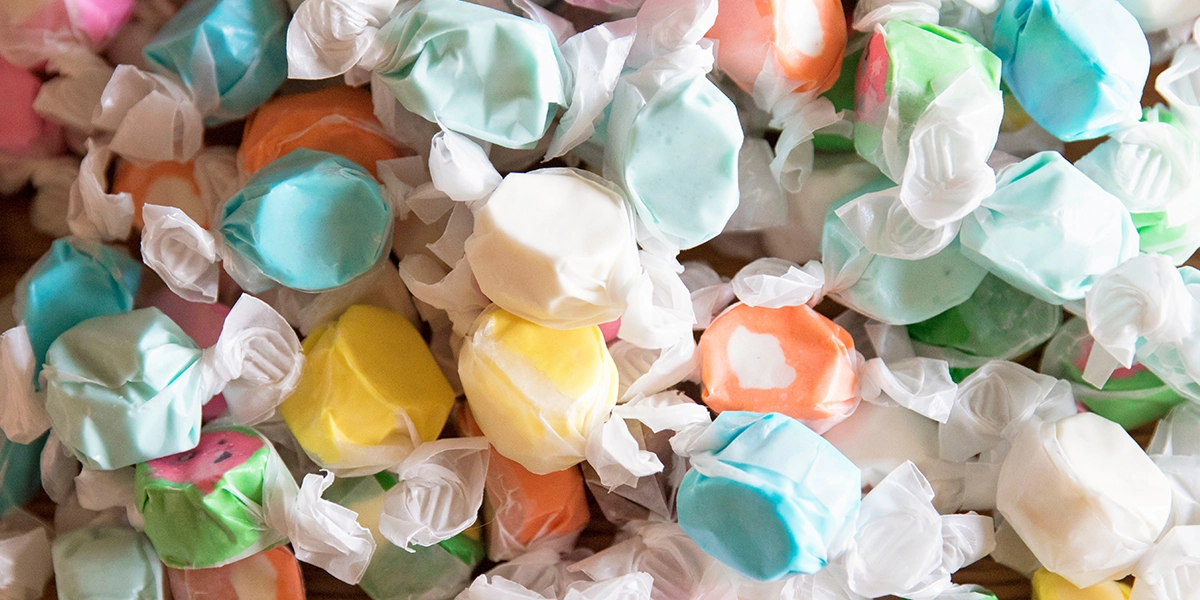
Why Are Sticky and Chewy Halloween Candies Bad for Your Teeth?
Common Halloween candies in this category:
Dr. Alpers were sorting through a Halloween candy bucket, sticky candies would be among the first he'd point out.
Think about what happens when you eat a caramel. Even after you've swallowed it, you can still feel little bits stuck between your teeth or in the grooves of your molars.
That's the problem.
Bacteria in your mouth feed on sugars and produce acids that can damage tooth enamel. When candy clings to your teeth, it can be harder for saliva to wash those sugars away.
Gummies, taffy, and chewy fruit candies create a similar challenge.
You don't necessarily need to ban them, but they're not ideal treats to snack on repeatedly throughout the day.
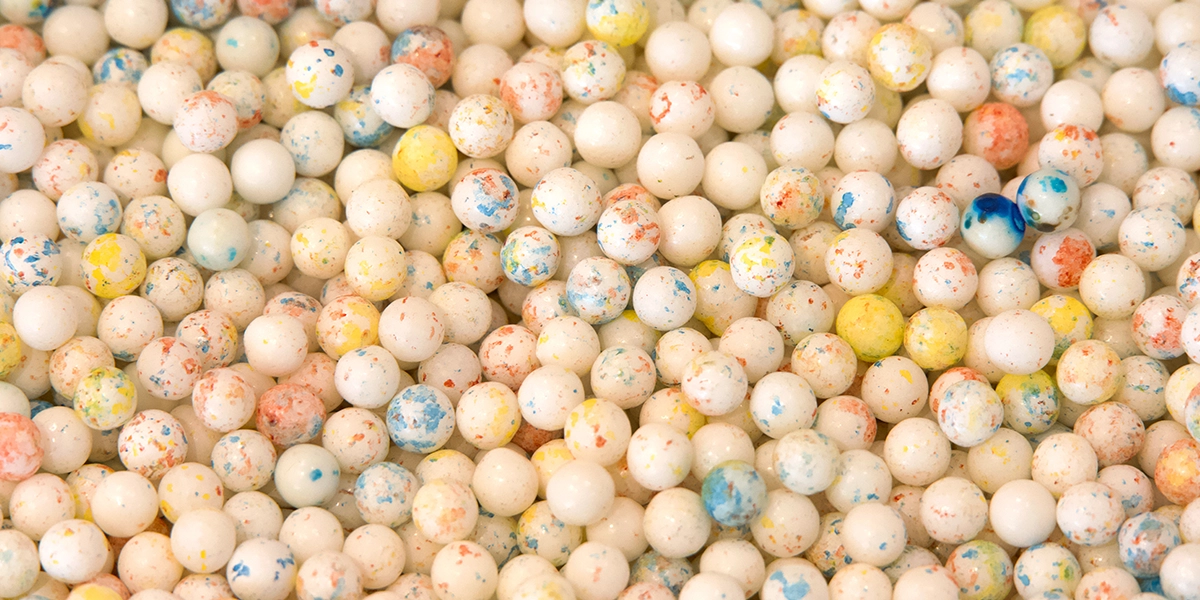
Why Are Hard Candies and Lollipops Bad for Your Teeth?
Common Halloween candies in this category:
A lollipop might seem harmless because you're eating just one piece of candy.
But think about how long it takes to finish.
If you're sucking on a lollipop for 15 or 20 minutes, your teeth are being exposed to sugar over that entire period.
Every time bacteria metabolize that sugar, they produce acids that can contribute to tooth decay.
There's also a more immediate concern. Biting down on hard candy can chip or crack a tooth, especially if you already have a weakened tooth or dental restoration.
The takeaway? Hard candy isn't necessarily better just because it doesn't stick to your teeth.
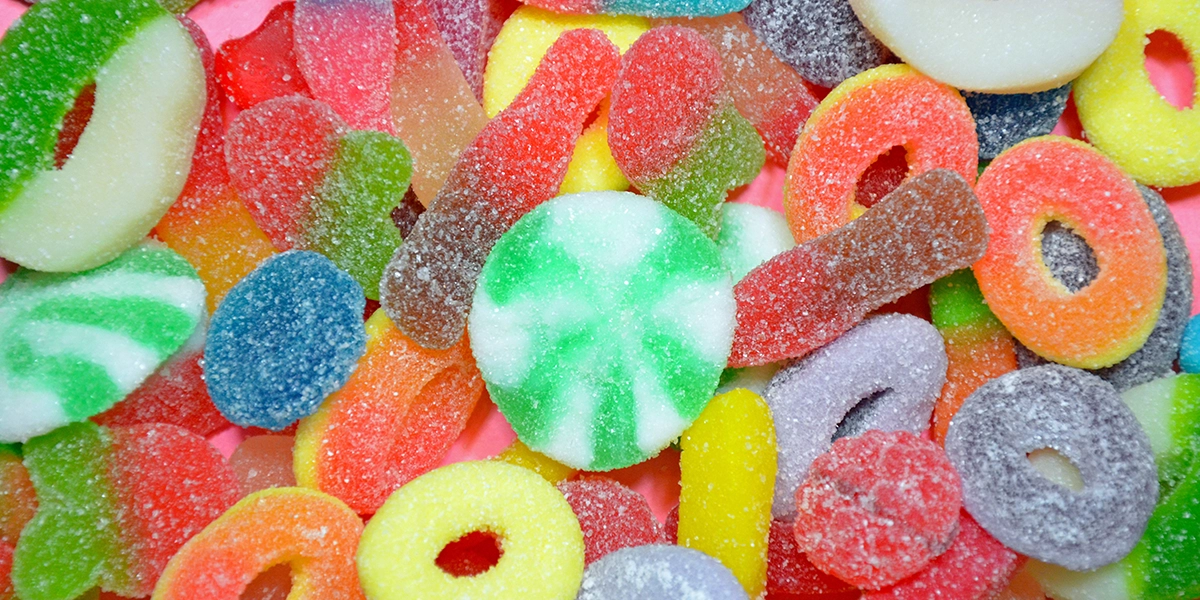
Why Is Sour Halloween Candy Bad for Your Teeth?
Common Halloween candies in this category:
Sour candy deserves its own category because it combines two things your teeth don't particularly appreciate: sugar and acid.
That intense sour flavor comes from acids added to the candy. Those acids can temporarily soften the outer surface of your teeth, known as enamel.
Add sugar to the equation, and you've created two different ways to challenge your enamel.
This is especially important if you love sour gummies or candies you slowly suck on throughout the day.
Some popular candies, like Sour Patch Kids, Trolli Sour Brite Crawlers, and Sour Strips, combine a chewy texture with an acidic coating. That means you're dealing with two concerns at once: sugar that can linger on your teeth and acids that can temporarily soften enamel.
It's debated whether you should brush immediately after eating very acidic candy or not. Dr. Alpers is of the opinion that it's OK to brush your teeth right after. If you aren't nearby your toothbrush, rinsing with water helps give your saliva time to help neutralize the acids. So whether you brush right away or wait an hour before brushing, just make sure you do brush!
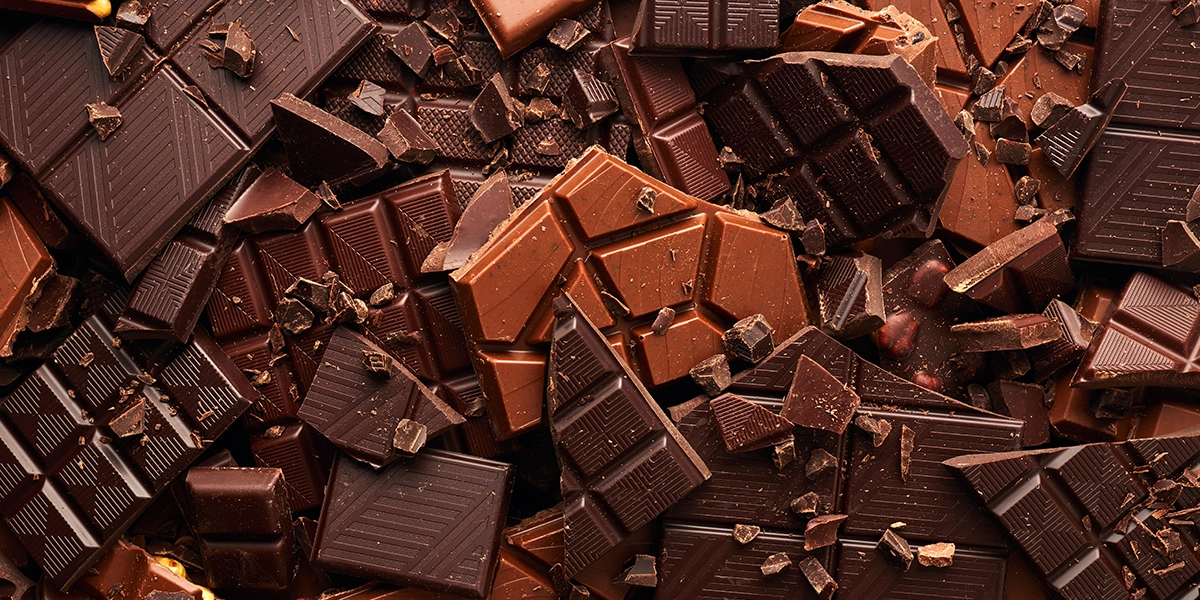
What Halloween Candy Is Least Harmful to Your Teeth?
Popular Halloween chocolates that are generally better choices include:
If you're looking for a better option in the Halloween candy bowl, plain chocolate is generally one of the more tooth-friendly choices.
Why?
Chocolate melts relatively quickly and is less likely to cling to the teeth than a sticky caramel or gummy candy.
That doesn't make chocolate healthy for your teeth. It still contains sugar, and eating it frequently can contribute to cavities.
But if you're choosing between a small plain chocolate bar and a handful of sticky, sour gummies, Dr. Alpers would generally favor the chocolate.
Not all chocolate candies are created equal. Reese's Peanut Butter Cups are generally a better choice because the chocolate and peanut butter tend to clear your mouth relatively quickly. But candy bars like Snickers, Milky Way, Twix, and Butterfinger contain sticky, chewy, or crunchy fillings that can get trapped between your teeth and linger longer.
Dark chocolate can also be a reasonable choice, particularly varieties with less added sugar. Just remember that sugar content varies by brand, and chocolate with caramel or other sticky fillings changes the equation.
The goal isn't to find candy that's completely harmless. It's to understand which choices are easier on your teeth.
Is Sugar-Free Halloween Candy Better for Your Teeth?
You might assume sugar-free candy is always the best option. And in some cases, it can be helpful.
Candy sweetened with non-cavity-causing sugar substitutes generally gives oral bacteria less of the sugar they use to produce cavity-causing acids. Sugar-free gum containing xylitol, for example, can be a useful option after eating because chewing stimulates saliva production.
But there's an important distinction: sugar-free doesn't automatically mean tooth-friendly.
Some sugar-free sour candies still contain acids that can erode enamel. And sucking on acidic candy for long periods can be problematic whether or not it contains sugar.
There's also the bigger picture.
Eating unlimited amounts of sugar-free candy doesn't replace brushing, flossing, drinking water, and regular dental checkups.
A more practical approach is to enjoy a few pieces of candy you actually like, then take care of your teeth afterward.
Halloween only comes once a year. You don't have to turn it into a complicated set of food rules.
Is It Worse to Eat Halloween Candy Throughout the Day?
This might be the most important thing to understand about Halloween candy.
How often you eat sugar can be just as important as how much you eat.
Here's why.
Every time you eat something sugary, bacteria in your mouth produce acids. Your saliva helps neutralize those acids and supports the natural repair process of your enamel.
But when you keep snacking, you're repeatedly starting that acid-producing process.
Imagine two different Halloween scenarios.
In the first, your child picks a few favorite pieces of candy after dinner, enjoys them, drinks some water, and brushes before bed.
In the second, the Halloween bucket sits on the counter for weeks. Your child grabs a gummy here, a lollipop there, and another piece of candy an hour later.
Even if the total amount of candy is similar, the second situation creates repeated opportunities for acid attacks throughout the day.
That's why Dr. Alpers encourages families to think about frequency and exposure time, not just the number of pieces in the candy bucket.
Rather than allowing unrestricted access to Halloween candy for weeks or months, consider setting aside a time to enjoy a few treats.
It's a simple adjustment that can make a meaningful difference.
How to Prevent Cavities After Eating Halloween Candy
You don't need an elaborate post-Halloween dental routine. A few consistent habits go a long way.
1. Enjoy Candy at a Set Time Instead of Grazing
Try having Halloween treats with or shortly after a meal rather than snacking on them throughout the day.
Saliva production increases when you eat, helping your mouth clear food particles and neutralize acids.
Once you've enjoyed your candy, put the bag away until the next planned treat time.
2. Drink Water After Eating Candy
Water is one of the simplest things you can reach for after Halloween sweets.
It helps rinse away some of the remaining sugar and food particles. It also supports saliva's natural role in protecting your teeth.
If you have access to fluoridated tap water, that's an added benefit for enamel protection.
Water doesn't replace brushing, but it's a helpful first step, especially when you're away from home.
3. Don't Skip Brushing on Halloween Night
After an evening of trick-or-treating, everyone is tired. The costumes are coming off, candy wrappers are everywhere, and bedtime might already be later than usual.
It's tempting to skip brushing just this once.
Try not to.
Brush twice a day for two minutes with fluoride or hydroxyapatite toothpaste, including before bed, and clean between your teeth daily.
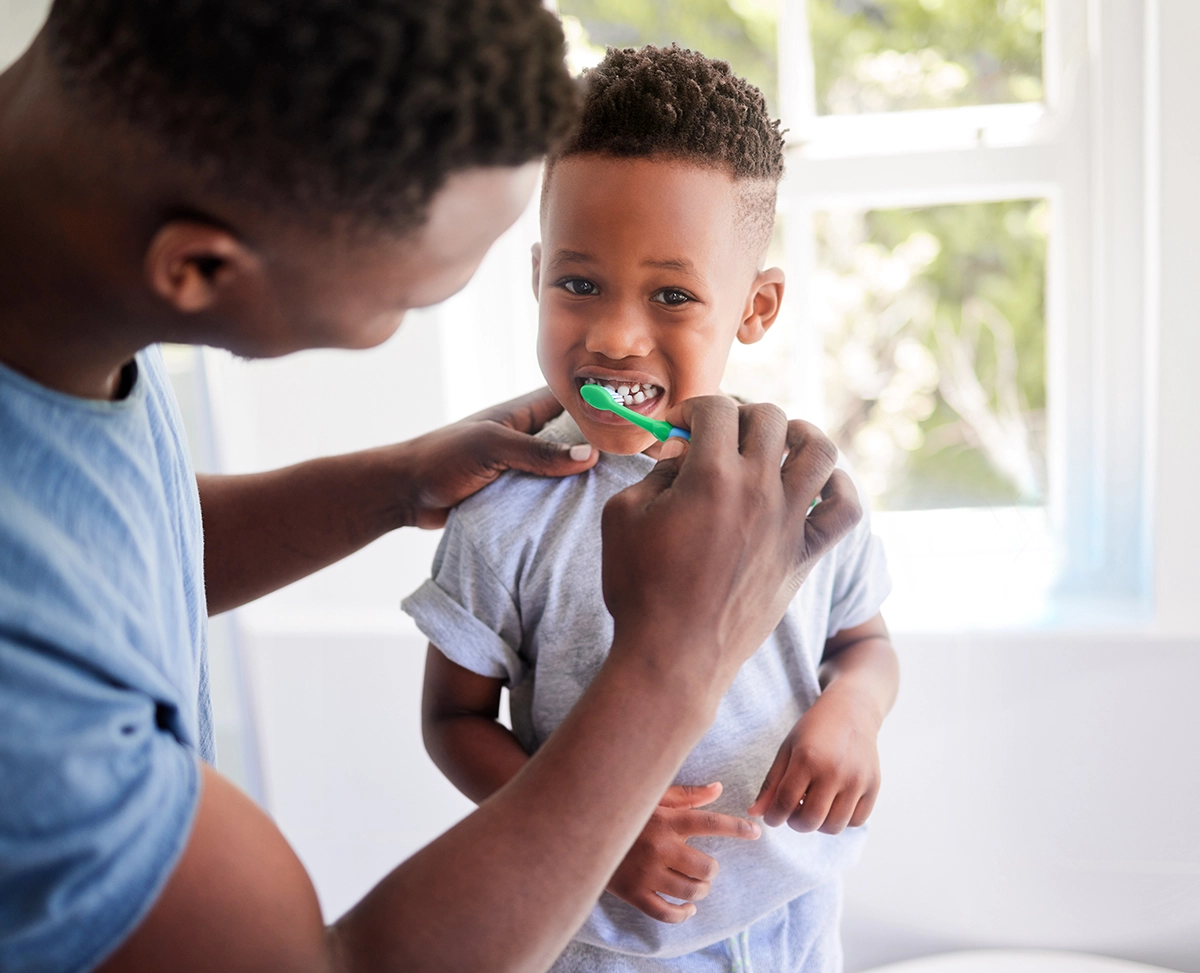
For younger children, you'll need to help with brushing. Even when kids are old enough to hold a toothbrush on their own, they may still need supervision to make sure they're reaching the back teeth and brushing thoroughly.
And adults, this applies to you, too. If you've been helping yourself to the Halloween candy bowl, don't skip your own routine.
If you've just eaten sour Halloween candy, Dr. Alpers believes it's generally fine to brush your teeth afterward. While waiting before brushing can be helpful after consuming highly acidic foods or drinks, his biggest concern is that you brush thoroughly and don't skip your regular routine. If brushing isn't convenient, rinse with water in the meantime.
4. Keep Your Regular Dental Checkups
Halloween candy isn't a reason to panic or automatically schedule an extra dental visit.
But it is a good reminder to make sure you and your family are keeping up with regular preventive care. Whether your kids see a pediatric dentist or come to a practice like ours that sees all family members, you want to be sure everyone has their dental check-ups scheduled. Your recommended checkup schedule depends on your individual oral health needs.
At Alpers Dentistry, we look beyond whether you have a cavity today. We also want to understand what's happening with your teeth and gums over time so we can identify small concerns before they become bigger problems.
And regular dental visits are about more than just your teeth. We also look for changes in the soft tissues of your mouth that could indicate other health concerns. In fact, Dr. Alpers recently spoke with FOX 10 Phoenix about oral cancer and why it's being diagnosed in more younger adults, including why routine dental screenings matter even when you feel perfectly healthy.
If it's been a while since your last cleaning or exam, this is a good time to get back on track.
November 1 Is National Brush Day: A Good Time to Reset
There's something fitting about National Brush Day falling on November 1, the morning after Halloween.
It's a reminder that you can enjoy the holiday and still take good care of your teeth to avoid a cavity.
You don't need to throw away every piece of candy or feel guilty about enjoying a few treats. Just get back to your usual routine.
Brush thoroughly, floss, drink water, and be thoughtful about how often you're snacking on leftover candy.
Those everyday habits matter far more than one night of trick-or-treating.
Enjoy Halloween. Just Be Thoughtful About Your Teeth.
Dr. Alpers' message isn't that Halloween candy is off-limits.
It's that a little awareness can help you make better choices without taking away the fun.
Choose treats that don't linger on your teeth, avoid grazing on candy throughout the day, drink water afterward, and stick with your regular brushing and flossing routine.
And don't forget about your dental checkups.
At Alpers Dentistry in Scottsdale, we're here to help you and your family maintain healthy smiles throughout the year, not just after Halloween.
If you're due for a cleaning or dental exam, call or text (480) 998-3355 or schedule an appointment online.
Enjoy the candy. Enjoy the costumes. And have a happy Halloween!
Frequently Asked Questions About Halloween Candy and Teeth

Ready to schedule an appointment?
We look forward to meeting you! To schedule, call or text or book online.

Locations We Serve
Our Scottsdale dental office serves the following areas:

Scottsdale
Paradise Valley
Fountain Hills
Phoenix
Tempe
We also serve these specific communities in Scottsdale AZ:
- Old Town Scottsdale
- Scottsdale Fashion Square
- Camelback Country Estates
- Mountain Shadows
- Arcadia
- Arcadia Lite
- Biltmore Area
- Papago Parkway
- Central Scottsdale
- Gainey Ranch
- McCormick Ranch
- Kierland Commons
- Sweetwater Ranch
- Scottsdale Ranch
- Cactus Corridor
- McDowell Mountain Ranch